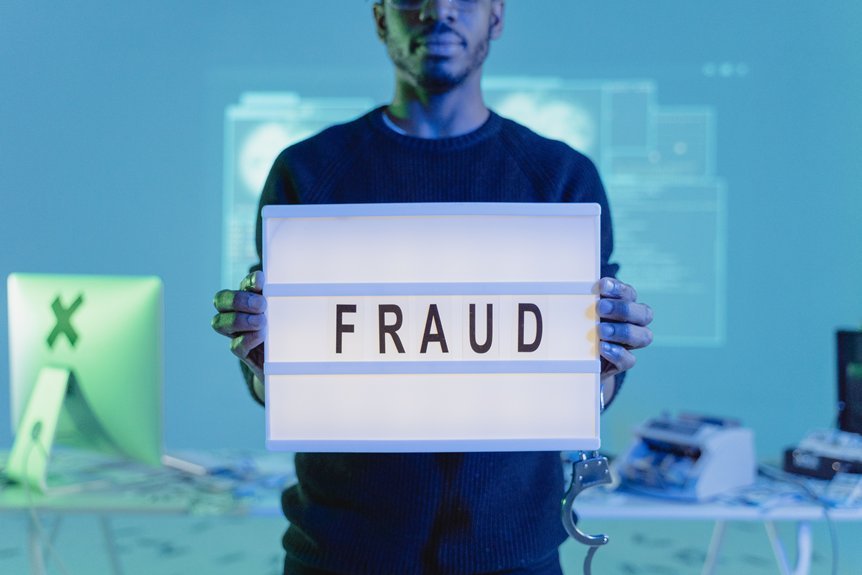

Calling from 606-825-0036 can pose risks like impersonation or data capture. A caller may request sensitive information, push urgent payments, or install malware. Verification is essential before proceeding. The risk rises if you share identifiers or financial details on impulse. A methodical approach reduces exposure: pause, confirm identities, and use independent sources to verify legitimacy. This approach reveals gaps to fill and keeps potential threats in view, inviting a careful, sustained examination of how to respond.
What Can Happen When You Answer a Call From 606-825-0036
When answering a call from 606-825-0036, individuals may encounter a range of outcomes, from legitimate contact to potential scams or telemarketing attempts. The scenario emphasizes Phone scams and the need for robust Caller authentication. A measured assessment highlights risk indicators, prompt verification steps, and cautious disengagement if suspicious behavior emerges, promoting freedom through informed, proactive decision making.
How to Verify If the Caller Is Legitimate
To determine legitimacy, a structured verification approach centers on corroborating identity, purpose, and context before sharing sensitive information. Verification proceeds with independent confirmation, cross-checking numbers, and requesting verifiable identifiers. The aim is legitimate caller verification, prioritizing evidence over assumption. If doubts persist, pause disclosure, document details, and pursue alternative contact channels to protect personal data and maintain legitimacy.
Safe Responses: What to Say and Do in Real Time
Effective, real-time responses hinge on clear, verified messaging that protects the caller’s information while gathering necessary context. The approach emphasizes calm, factual dialogue, rapid caller verification checks, and boundaries. Refusal strategies are concise and respectful, enabling safe termination when requests exceed authorization. Proactive prompts elicit essential details, minimizing risk while preserving trust, guiding the interaction toward legitimate resolution without escalation.
Post-Call Steps to Protect Your Info and Devices
Post-call steps to protect information and devices focus on immediate documentation, verification, and containment actions to prevent further exposure. The analysis emphasizes rapid evidence capture, corroborated timelines, and secure reporting channels. Post-contact activity includes date stamped reminders for incident review and device hardening measures, isolating affected equipment, updating authentication credentials, and documenting lessons learned to support future autonomy and safer operational freedom.
Frequently Asked Questions
How Can I Report Suspicious Calls From This Number?
He can report suspicious calls by filing a complaint with his local consumer protection office and his carrier; this aids reporting scams. The process supports identifying caller history, enabling authorities to trace patterns and prevent further harassment.
What Metadata Should I Note During a Scam Call?
Metadata logging should capture call context notes, timestamps, caller clues, and device details; the aim is proactive, precise documentation. The approach remains analytical, ensuring freedom-loving readers recognize patterns, reduce risk, and enable confident reporting for future safeguards.
Can This Number Be Spoofed to Imitate Legitimate Entities?
Yes, phone spoofing can imitate legitimate entities, enabling caller ID fraud. The number may appear genuine though it isn’t. Analysts advise verification steps, robust caller authentication, and cautionary policies to preserve autonomy from deceptive practices.
What Tools Detect Robocalls From Unfamiliar Numbers?
Ironically, a toolkit exists; tools detect robocalls from unfamiliar numbers using pattern analysis and reputation databases. The approach respects unwanted consent and privacy implications while remaining analytical, proactive, precise, appealing to audiences seeking freedom from nuisance calls.
How Do I Recover Blocked Voicemails After a Scam Attempt?
The blocked voicemail recovery process involves verifying carrier settings, restoring access through account security, and reviewing call logs; scam prevention steps should be implemented, and ر language considerations acknowledged, to maintain freedom while safeguarding messages against future impersonations.
Conclusion
Could a call from 606-825-0036 be legitimate or a trap? The analysis emphasizes caution: verify identity through independent sources, request verifiable identifiers, and avoid sharing personal data until legitimacy is established. Proactive steps include pausing disclosure, documenting details, and using safe channels to confirm the caller’s purpose. If suspicion persists, terminate the call and report the number. Is it enough to rely on gut instinct, or should verification and documentation be the default protocol in every uncertain interaction?