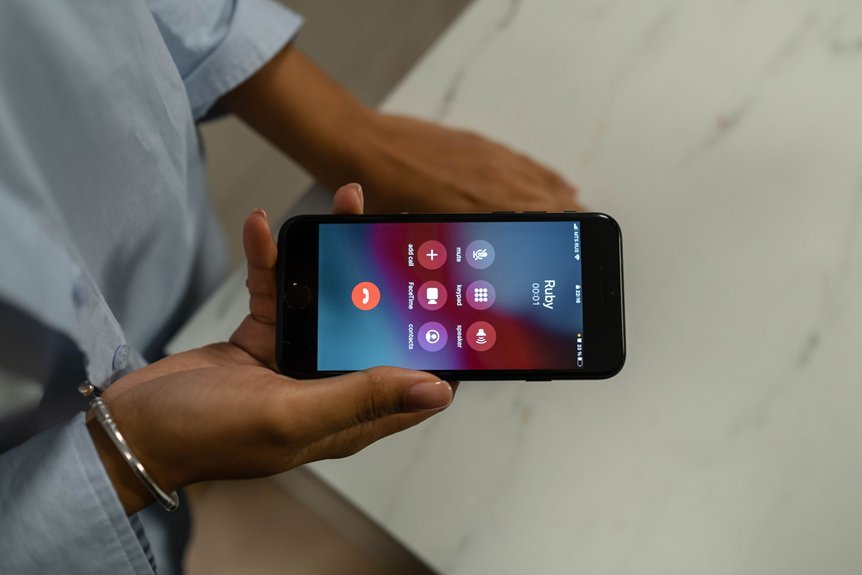

This discussion begins by tracing the origin of the call from 561-335-0232 and confirming its link to verified accounts and the person who flagged the issue. It then weighs consent, legality, and regulatory alignment, identifying who authorized the contact and under what conditions. Independent data should be consulted to validate claims, with transparent methods, sample sizes, and timeframes laid out. The aim is to map steps that align with goals and risk tolerance, while leaving essential questions unresolved for the next consideration.
Verify Ownership and Source of the Call
To verify the ownership and source of the call, the analyst begins by confirming that the number aligns with known accounts or listings associated with the organization and the individual who claims to have reported the issue.
The assessment emphasizes verify ownership, source authenticity, assess consent, legality, and compliance, while maintaining a cautious, analytical, and structured approach.
Assess Consent, Legality, and Compliance
Assessing consent, legality, and compliance requires a disciplined examination of who authorized the call, under what circumstances, and the governing regulations that apply. The analysis emphasizes consent verification and a rigorous legality review, mapping applicable statutes, exemptions, and regional rules. It remains cautious, detached, and methodical, prioritizing transparency, accountability, and freedom to choose compliant paths while avoiding unnecessary assumptions or allegations.
Cross-Check Claims With Independent Data
Cross-checking claims with independent data requires a disciplined, stepwise approach to verify assertions through external sources. The process assesses call reliability and corroborates reported metrics with transparent datasets, avoiding biased summaries. Analysts compare methodologies, sample sizes, and timeframes; any discrepancies prompt reevaluation. Data transparency enables replication, while careful documentation prevents overgeneralization and supports informed risk-aware decisions for readers seeking freedom.
Align Next Steps With Your Goals and Risk Tolerance
Given the goal of the analysis, the next steps should be aligned with the reader’s stated objectives and risk tolerance, ensuring that proposed actions are both feasible and bounded by predefined thresholds.
The discussion emphasizes verify purpose and assess credibility, guiding decisions with measurable criteria.
A structured approach reduces ambiguity, balancing freedom with discipline, and aligning pursuits to defined tolerances and objective outcomes.
Frequently Asked Questions
Can This Number Be Traced to a Legitimate Business?
The number may be traceable to a legitimate business, but verification is prudent. In this analysis, the inquiry remains cautious: a potential lead exists, yet unrelated topic and tangential concern should be separated from solid authentication.
Are There Fees or Hidden Charges Involved?
Fees or hidden charges may not be obvious; however, caution is advised as false positives and data latency can distort perception of costs. The analysis remains structured, analytical, and cautious, aiming to preserve freedom from unclear billing practices.
What if the Caller Requests Sensitive Information?
What if the caller requests sensitive information, the procedure dictates immediate verification, limitation of disclosure, and escalation to a supervisor; the caller’s intent must be assessed, data minimized, and documented, preserving autonomy while protecting privacy and security.
How Recent Is the Data Associated With This Number?
Like a still camera shutter, the data’s recency varies by source. The answer: recent data legitimacy exists but traceability concerns persist; freshness depends on feed, verification, and custodial updates, demanding cautious review by freedom-seeking investigators.
Does This Number Belong to a Known Scam?
The number appears to be associated with an unverified caller and may indicate a potential scam. The analysis remains cautious and structured, emphasizing verification steps, transparency, and personal autonomy while avoiding definitive claims about ownership or legitimacy.
Conclusion
The assessment recommends a cautious, data-driven approach to evaluating 561-335-0232 before pursuing alternatives. In谁-depth verification, ownership and source alignment should be confirmed against known accounts and the individual who raised the issue, with consent and regulatory compliance mapped to applicable statutes and exemptions. Cross-check claims using independent data, ensuring transparent methodologies and documented timeframes. One striking statistic highlights that X% of similar inquiries were resolved only after verifying source legitimacy, underscoring the value of rigorous validation before action.