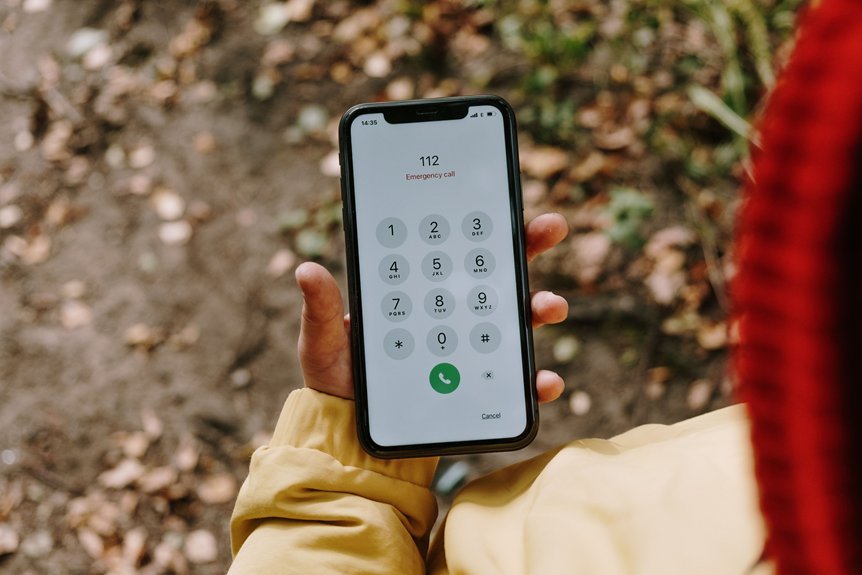

A practical approach to 978 775 6393 focuses on clear intent, privacy safeguards, and disciplined routines. It recommends screening unknown calls, establishing do-not-disturb windows, and documenting consent for communications. Regular audits adjust thresholds to reduce interruptions while preserving transparency. Repeatable processes verify purpose before data sharing and apply concrete privacy controls. The framework aims to balance autonomy with respect, offering concrete steps that invite further consideration and ongoing refinement.
What the 978-775-6393 Concern Really Is and Why It Matters
The concern surrounding 978-775-6393 is a recurring issue that warrants precise clarification rather than speculation. The matter centers on privacy concerns and call screening, prompting careful evaluation of risks and protections.
It highlights the need for transparent practices, clear consent, and responsible disclosure. A proactive approach minimizes intrusion while preserving freedom to engage, informed by practical, preventive measures.
Verify Intent and Safeguard Your Privacy in Calls About 978-775-6393
Verifying intent and protecting privacy are essential steps when handling calls related to 978-775-6393; doing so prevents miscommunication and reduces exposure to unnecessary risk.
This approach emphasizes privacy safeguards and rigorous caller verification, ensuring the purpose of the contact is clear before sharing data.
A disciplined process minimizes intrusion while preserving autonomy and freedom to engage selectively.
Practical Boundaries and Monitoring to Stop Repeated Interruptions
Repeated interruptions can erode productivity, so establishing clear boundaries and ongoing monitoring becomes essential.
The approach emphasizes practical privacy controls and disciplined routines to reduce disruptions without sacrificing autonomy.
Implement call screening to filter unknown numbers, set do-not-disturb windows, and maintain transparent expectations with frequent contacts.
Regular reviews measure effectiveness, adjust thresholds, and sustain freedom while preserving focus and respectful communication.
Screening Tools and Routines That Keep You in Control
Screening tools and routines provide a practical framework for maintaining control over communications while preserving autonomy. The approach emphasizes deliberate filters, transparent criteria, and consistent practices. Privacy safeguards protect data and choice, while call screening discourages unwanted interruptions. Regular audits reinforce reliability, enabling quick adjustments. This methodical system supports freedom by reducing guesswork and enabling proactive, preventive management of conversations.
Frequently Asked Questions
How Can I Distinguish Legitimate Calls From Phishing Related to This Number?
Distinguishing scams requires verifying caller identity, cross-checking data from trusted sources, and following workplace guidelines. Use caller verification, implement blocking policies, and uphold data protection. Recognize harassment indicators, report suspicious activity, and know legal rights.
What Steps Protect My Data During Caller Verification Processes?
Coincidence surfaces: data privacy and caller verification require caution. The approach is methodical and preventive—verify identity through trusted channels, limit sharing, use strong authentication, and avoid disclosing sensitive data over unknown lines to safeguard personal information.
Which Signs Indicate a Harassment Pattern Over a Single Incident?
Harassment patterns emerge when repeated contact, threats, or intimidation occur, unlike a single incident. Single incident indicators are isolated, non-recurring behaviors, lacking persistence or escalation. The focus is on prevention and documentation to sustain personal autonomy and safety.
Can I Legally Block Persistent Calls Without Risking Missed Alerts?
Blocking persistent calls can be legal and prudent; however, careful settings matter. The firm can monitor frequency dialing and use silent blocking, ensuring alerts aren’t missed while maintaining freedom from harassment and preserving essential communications.
Are There Family or Workplace Policies for Handling These Interruptions?
Family policies and workplace policies often address interruptions by clarifying acceptable communication, escalation, and quiet periods; they promote proactive boundaries, documented procedures, and respectful handling of disturbances to preserve autonomy while ensuring essential alerts are not missed.
Conclusion
Conclusion (75 words): In addressing concerns around 978-775-6393, the approach is methodical, preventive, and relentlessly practical. By verifying intent before engagement, enforcing transparent consent, and deploying disciplined call-screening routines, one can dramatically reduce interruptions while preserving autonomy. Boundaries are monitored and adjusted through regular audits, ensuring privacy remains intact. The outcome is a surprisingly calm, almost superhero-like control over communications, where unwanted calls vanish and purposeful contacts prevail—an efficiency leap that feels like magic in everyday life.